
Most people wash their sheets regularly and figure that’s enough. But here’s the reality — the mattress and pillows underneath those fresh sheets are collecting far more than you’d expect. Dust mites, sweat, dead skin cells, allergens, and odors build up slowly and quietly over time. You can’t see most of it, but it’s there.
The good news is you don’t need expensive equipment or harsh chemicals to deal with it. A box of baking soda and a little consistency go a long way. Here’s everything you need to know to clean your mattress and pillows the right way.
Why Your Mattress Needs More Attention Than You’re Giving It
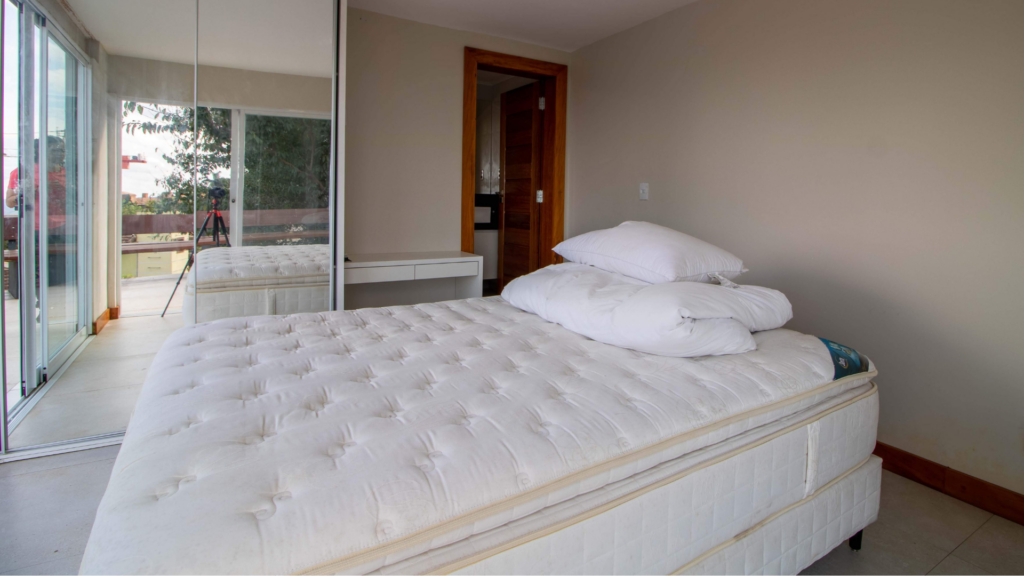
You spend about a third of your life on your mattress. That means it absorbs sweat every single night, along with skin oils, hair products, and everything else you bring to bed with you. Over time, this creates the perfect environment for dust mites — tiny creatures that feed on dead skin cells and thrive in warm, humid spaces.
Dust mites are one of the most common triggers for indoor allergies and respiratory irritation. They don’t bite, but if you or someone in your household regularly wakes up with a stuffy nose, itchy eyes, or a scratchy throat, your mattress could be part of the problem.
That alone is reason enough to make mattress cleaning a regular habit.
The Baking Soda Method — Simple, Cheap, and It Actually Works
Baking soda is one of the best natural tools you can use for mattress maintenance. It absorbs moisture, neutralizes odors, and creates an environment where dust mites simply can’t thrive. Chances are you already have some in your kitchen.
Here’s how to do it the right way:
What you’ll need:
- Baking soda (be generous — about one cup per side)
- A vacuum with an upholstery or mattress attachment
- Optional: a few drops of lavender or tea tree essential oil mixed into the baking soda for added antibacterial properties and a light, fresh scent
Step-by-step:
- Strip the bed completely. Remove all sheets, pillowcases, mattress protectors, and any other covers. Throw them in the wash while you work on the mattress.
- Vacuum the surface first. Before applying anything, go over the entire mattress with your vacuum. Pay extra attention to seams, edges, and tufted areas where dust and debris tend to collect the most.
- Sprinkle baking soda generously and evenly. Don’t hold back. Cover the whole surface, including the sides if you can reach them. If you mixed in essential oil, spread it with your hands or a soft brush so it distributes evenly.
- Let it sit — and this part really matters. For light maintenance, 30 minutes is fine. But if you really want to tackle odors and moisture, let it sit for at least 2 to 4 hours. If you can do it on a sunny morning and leave it for the whole day, even better.
- Vacuum thoroughly. Go slowly and make sure you pull up all the baking soda. Any residue left behind will feel gritty under your sheets.
- Flip or rotate the mattress. If your mattress is double-sided, repeat the whole process on the other side before putting the bed back together.
That’s it. No rinsing, no drying time, no chemicals.
Stains — How to Treat Them Before They Set
Baking soda handles odors beautifully, but stains need a little extra attention. The golden rule with mattress stains is to act fast and never soak the fabric with liquid. Moisture that seeps deep into a mattress takes a long time to dry and can lead to mold.
For most stains, mix two tablespoons of baking soda with one tablespoon of cold water and a small amount of dish soap or hydrogen peroxide. Apply the paste to the stain, let it sit for 10 to 15 minutes, then blot gently with a clean cloth. Never scrub hard — scrubbing spreads the stain and pushes it deeper into the fibers.
For organic stains, cold water always works better than warm. Heat sets protein-based stains and makes them significantly harder to remove.
Once the stain is treated, sprinkle a little dry baking soda over the damp spot to absorb any remaining moisture, let it sit, then vacuum it up.
How to Clean Your Pillows the Right Way
Pillows often get completely overlooked in cleaning routines, but they actually collect even more than your mattress — because your face is in direct contact with them every single night. Oils, saliva, sweat, and product buildup work their way through the pillowcase over time.
Most pillows — whether fiberfill, cotton, or down — can go straight into a regular washing machine. Check the care label first, but in most cases a gentle cycle with warm water does the job. Use a mild detergent and run an extra rinse cycle to make sure no soap residue stays behind.
The drying step is the most critical one. Pillows need to dry completely before you use them again. Any trapped moisture leads to mildew, and once that smell sets in, it’s extremely hard to get rid of. Dry on low heat and toss in a couple of clean tennis balls or dryer balls to help fluff the filling as it dries. Squeeze the pillow to check — if it still feels damp in the center, keep going.
For pillows that can’t go in the machine, the baking soda method works here too. Sprinkle, let it sit, and vacuum. It won’t replace a full wash, but it’ll freshen them up nicely between launderings.The Bottom Line
Cleaning your mattress and pillows regularly is one of the most overlooked parts of home maintenance — but it has a direct impact on sleep quality, air quality, and overall health. The baking soda method is simple enough that there’s really no good reason to keep putting it off. A couple of hours a few times a year is all it takes to make a real difference.
Start with what you have, build the habit, and your bedroom will feel noticeably fresher from here on out.