
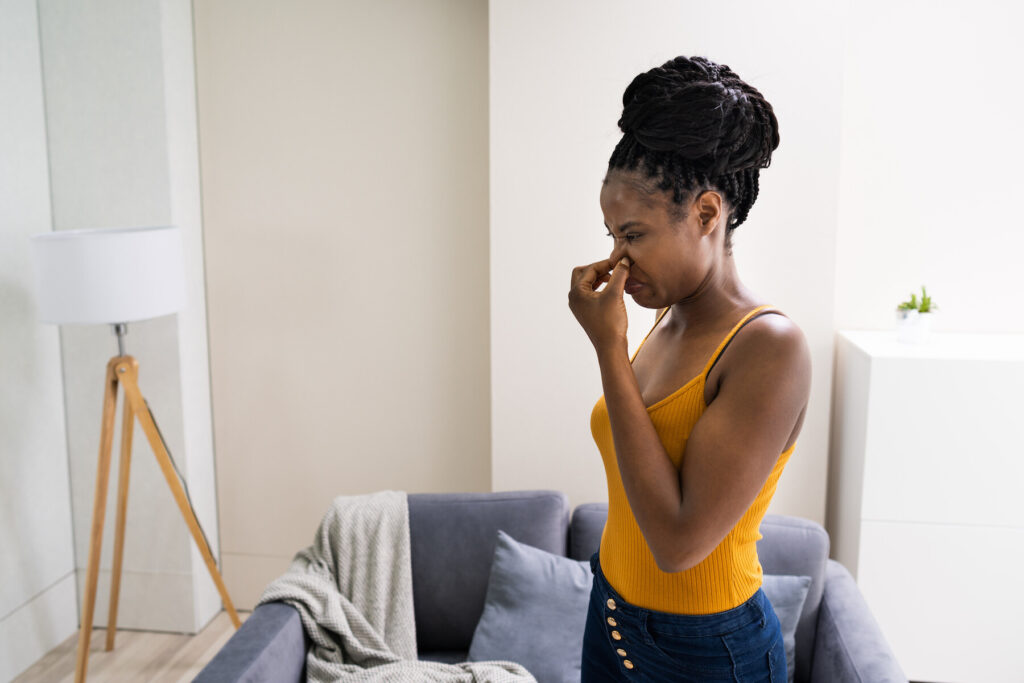
You cleaned your whole house. You vacuumed every floor, wiped down every surface, scrubbed the bathroom, took out the trash and even lit a candle when you were done. A few hours later that smell is still there. It is faint but persistent. It is familiar but frustrating. It smells like something between stale and musty with a hint of pet or yesterday’s cooking underneath it all. If you have experienced this you are not alone. You are not doing anything wrong.
The truth is that standard cleaning routines don’t address the real sources of household odors. They address surfaces. But odors don’t live on surfaces. They live in fabrics, in drains, in walls, in the air itself and in places that a regular cleaning pass never touches. Understanding where smells come from and what it takes to eliminate them is the first step toward having a home that doesn’t just look clean — but actually smells like it too
The Real Reason Your Home Has a Persistent Smell
Every home has a smell. It is made up of the people who live there, the food they cook, the pets they keep, the materials their furniture is made of and the way air circulates through the space. This creates a smell that is specific to that household. For most people their own home’s smell is invisible to them. They become nose-blind to their own environment within hours of being in it. That is why you often can’t smell what your guests smell when they walk through your door.
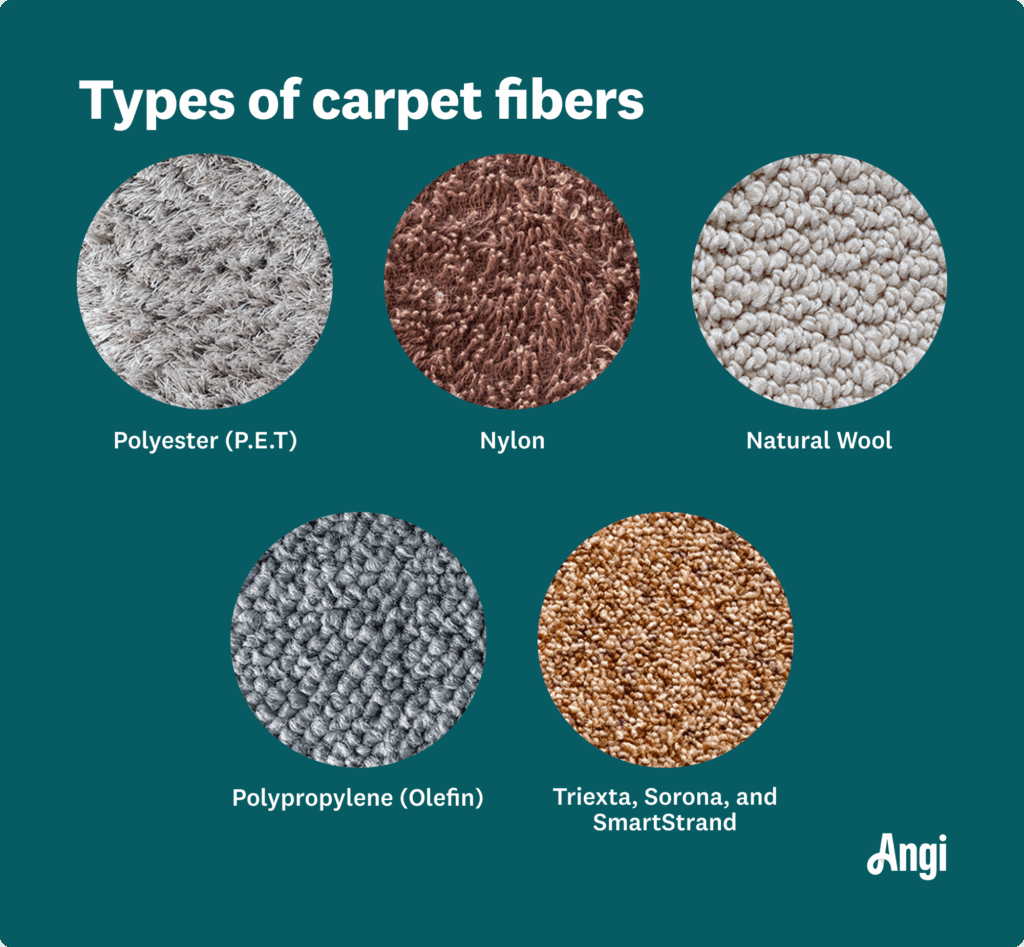
The persistent smell that most people notice after cleaning usually doesn’t come from the surfaces they just cleaned. It comes from things they didn’t clean — soft, porous materials that act like sponges for odor molecules. Carpets and rugs are among the biggest culprits. The fibers in a carpet can hold onto dander, skin cells, food particles, moisture, bacteria and odor compounds for months or years without looking dirty. You can vacuum a carpet every week and still have a carpet that smells because vacuuming only removes surface-level debris. It doesn’t reach the deeper layers of the fibers where the odor-causing bacteria live.
Hidden Sources of Odor That Most People Never Think About
There are areas of every home that generate odors in ways that most people would never suspect — because they are hidden from view and rarely make it onto any cleaning checklist.
Your Drains Are a Major Culprit
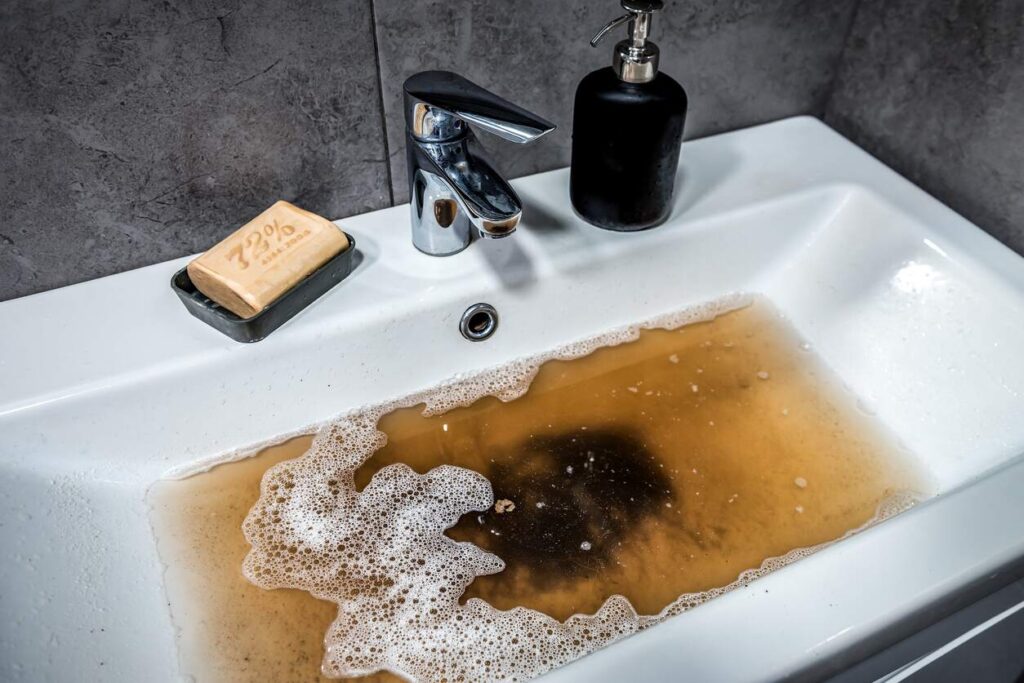
Drains are one of the biggest sources of household odor. Every drain in your home — bathroom sink, shower, bathtub, kitchen sink — is lined with a biofilm of bacteria, soap residue, hair, grease and organic material that builds up slowly and produces an unpleasant smell.
The Garbage Disposal You Keep Ignoring
The garbage disposal in your kitchen is another source that homeowners consistently underestimate. Every time food goes through a garbage disposal small particles get trapped and decompose, producing a sour rotten smell. Many people assume this smell is coming from the trash can or the sink itself. They clean those repeatedly while the real source — the disposal — continues to produce odor.
Your Washing Machine May Be the Problem
Washing machines are another hidden culprit. Modern front-loading washing machines can develop mold and mildew inside the rubber door seal and in the drum — especially when they are used with cold water cycles and left closed between uses. A washing machine with mold transfers that musty smell to every load of laundry that goes through it.
What Pets Do to the Air Quality and Smell of Your Home
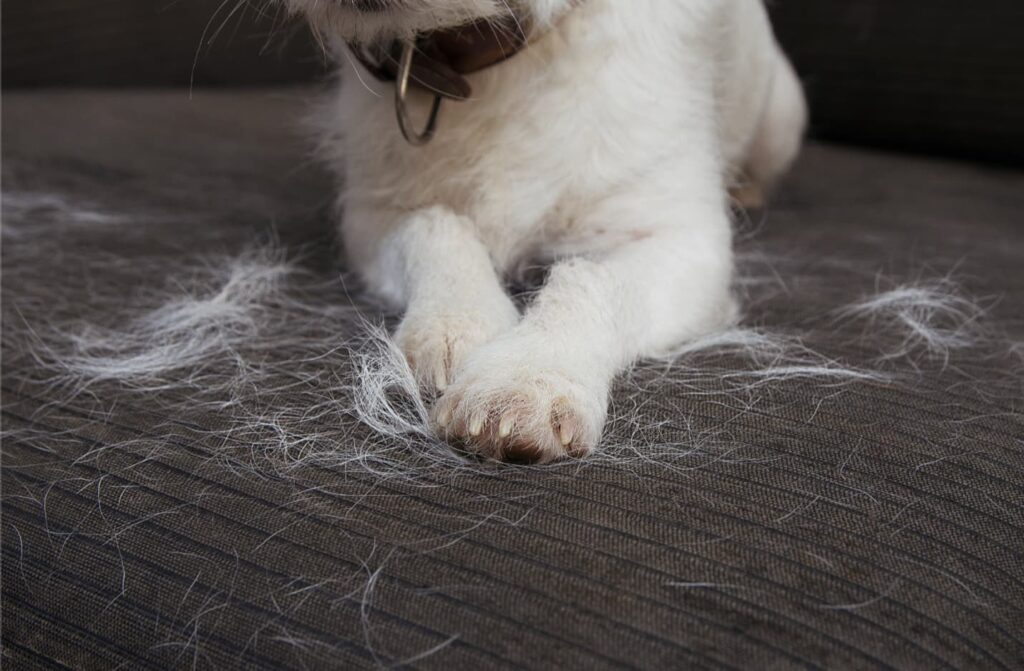
If you have pets the odor challenge in your home is very different than in a pet-free household. Pets contribute to household odor through multiple pathways. Pet dander is lightweight and stays airborne for long periods before settling onto every surface in the home. It accumulates in carpet fibers, in upholstery, in bedding and in the crevices of baseboards and furniture joints. Pet dander itself has a distinct smell and when it combines with natural oils from an animal’s coat, bacteria in their saliva and organic compounds in their urine or feces — the result is a layered, persistent odor that is hard to eliminate.
The oils from a pet’s coat transfer onto every soft surface the animal comes into contact with. A dog that sleeps on the couch or lies on the carpet is depositing a layer of body oil onto those surfaces — and those oils go rancid over time, producing a strong and unpleasant smell. Pet urine leaves behind acid crystals in the carpet padding — and these crystals reactivate and release a powerful ammonia smell every time they are exposed to moisture
The Role of Poor Ventilation in Trapping and Amplifying Odors
One factor that affects how a home smells is ventilation — specifically the lack of it. Odor molecules are carried through the air and in a home where air doesn’t circulate properly those molecules accumulate rather than dissipate. A home that is kept sealed for energy efficiency, or has bathrooms without functional exhaust fans, or has a kitchen range hood that vents back into the room — is a home where every cooking smell, every body odor, every trace of pet and every hint of moisture gets trapped and concentrated over time.
Cooking Leaves More Behind Than You Think
Cooking is a major contributor to this problem. The compounds released during cooking settle onto surfaces throughout the home, where they oxidize over time and contribute a background layer of stale, greasy smell. A kitchen that is used regularly and not properly ventilated will develop a film on its walls and cabinets over time — and that film is one of the most persistent sources of odor in any home.
Bathrooms Without Ventilation Breed Mold and Mildew
Bathrooms without adequate ventilation trap moisture from showers and baths, which creates conditions for mold and mildew to develop. Mold and mildew produce a musty, earthy smell that is immediately unpleasant and that no amount of surface cleaning will eliminate.
Why Masking Odors Makes the Problem Worse
There is an entire industry built around making your home smell better without actually making it cleaner — and most people have contributed to this industry without realizing that the products they use make the underlying problem harder to solve over time. The following products:
- Scented candles
- Plug-in air fresheners
- Fabric sprays
- Aerosol deodorizers
- Scented cleaning products
…all work by introducing a stronger, more pleasant smell that temporarily overpowers the unpleasant one. They do not eliminate the odor-causing bacteria. They do not neutralize the odor molecules. They do not address the sources that generate the smell. The moment the masking fragrance dissipates the smell returns — often stronger and more entrenched than before. This is because nothing that was producing it has changed.
The combination of artificial fragrance with existing household odors can create a smell that is more unpleasant than either one alone. For example, the mixture of floral or citrus with underlying pet or cooking odor is something that visitors to your home will notice immediately — even when you have become nose-blind to it entirely. Heavily fragranced homes can also trigger headaches, allergies and irritation in sensitive individuals. This adds a health dimension to what is already an aesthetic problem.
The only real solution to household odor is elimination. You need to identify the sources. You need to treat them with the right products and methods. You need to create the conditions that prevent them from returning. That is a fundamentally different approach from spraying something that smells nice and hoping for the best.
What It Actually Takes to Eliminate Odors for Good
Truly eliminating household odors requires a multi-layered approach that needs to address every category of odor source. For most homeowners, achieving this completely on their own is genuinely difficult without professional help. Here is what it actually takes:
- The soft furnishings need to be deep cleaned, not just vacuumed
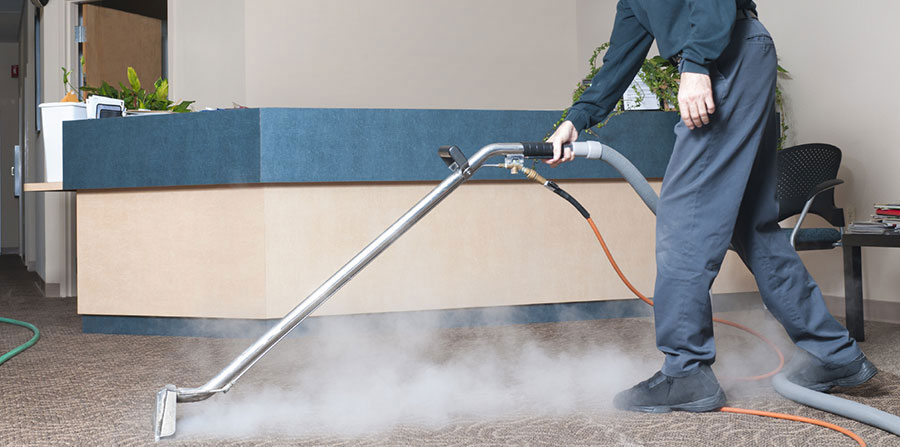
- Carpets need hot water extraction or steam cleaning
- Upholstery needs to be treated with enzymatic cleaners
- Drains need to be flushed and treated with bacterial drain cleaners
- The garbage disposal needs to be scrubbed and deodorized
- The washing machine needs to be run through a cleaning cycle with a specialized cleaner
- Air filters need to be replaced
- HVAC ducts need to be cleaned
Why a Professional Cleaning Service Makes All the Difference
This is the kind of comprehensive, detail-oriented work that a professional cleaning service is designed to handle. Professional cleaners understand where odors originate. They understand what it takes to address each source properly. They understand how to leave a home smelling genuinely fresh. They use professional-grade products and equipment that are specifically formulated to neutralize odor compounds — not mask them. They have the experience to identify odor sources that most homeowners would never think to look for.
The difference between a home that has been professionally cleaned and one that has only been surface-cleaned is nowhere more immediately obvious than in how it smells. That fresh, clean, odor-free quality that you notice when you walk into a professionally maintained home is not an accident. It is not a candle. It is the result of a team that addressed every layer of the odor problem — the surfaces, the hidden sources, the soft materials, the drains, the air quality. They left nothing unaddressed.
If your home still doesn’t smell clean after you clean it, it is time to bring in the professionals. Schedule your cleaning today and experience what genuinely fresh actually feels like. 🏠✨